Facebook = Omniscient?

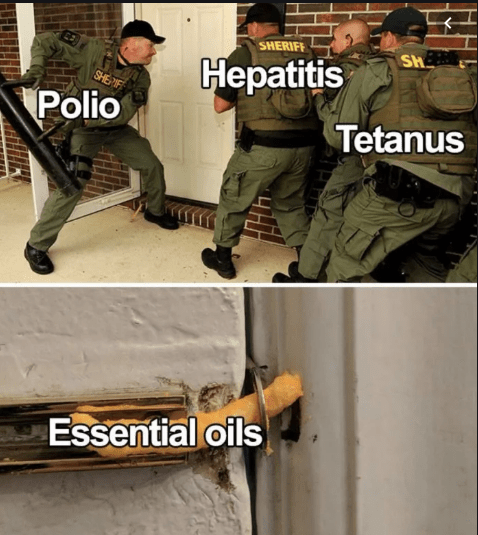
Tide pod eating and anti-vaccination movements, two ridiculous ideas that have become a more popular trend in the past few years. Honestly, I couldn’t even tell you which one I think is worse, they are both ludicrous. I dream of a day when everyone is vaccinated and we no longer have to worry about an outbreak of polio in the United States, a disease that was close to eradication. The good news is, Facebook, and a few other social media sources, are trying to cut down on the misinformation that is produced on their platforms and make it harder for this ridiculousness to be passed around. Several news sources, including CNN, have been looking into the measures Facebook is taking in order to reduce the spread of this anti-vaccination propaganda. Let’s see if these are actually beneficial, shall we?
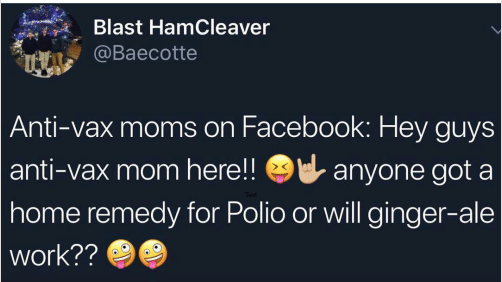
CNN’s article, by Susan Scutti, explains what Facebook, as well as Instagram, is attempting to do in the stop of misinformation, which was obtained from Monika Bickert, the VP of global policy management for Facebook (she’s basically the real deal). The article explains that Facebook will lower the ranking of anti-vax groups, as well as remove them from recommended pages to like and view. Additionally, if pages containing anti-vaccine information request to submit an ad, they will be declined, or possibly disabled. A downside from this is that individual accounts will not be disabled and can still spread as much misinformation as they deem necessary. A more recent CNN article, by Jacqueline Howard, explains a further measure Facebook is taking. Rather than just stopping the misinformation, they will also endorse scientific education about vaccines. They will do this by adding popup windows to CDC articles about vaccines, when anything vaccine related is searched or clicked on. That’s pretty awesome if you ask me. You wanna search for groups encouraging the stop of measles vaccination? NOPE!! Here’s an article about why the measles vaccine is a GOOD thing, for more than just your own kid.
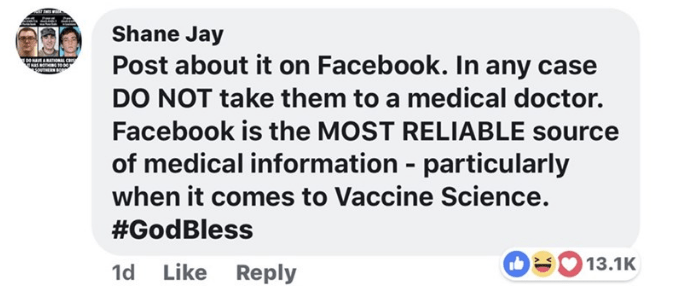
So how do anti-vaxxers get their information? Is it really from Facebook and social media outlets? Will this change in algorithm really help the abolishment of these anti-vaxx groups? According to an article by Suraj Patel, in Quartz, the answer is ABSOLUTELY! These ideas started with the retracted Lancet article that discussed an unreliable and unethical study on vaccines and its link with autism. Though these ideas have been debunked over and over again by highly respected scientists, we STILL have an issue with misinformation floating around the US. Patel’s article talks about an 18-year-old, Ethan Lindenberger, who had to figure out a way to vaccines on his own when he became a legal adult because his parents were anti-vaxxers. This young man, who grew up in the center of anti-vaxx culture explained how important Facebook is to his mother, and that it is the sole place she gets her information. So yea, yes indeed, social media is a big influencer in the anti-vaxx movement.
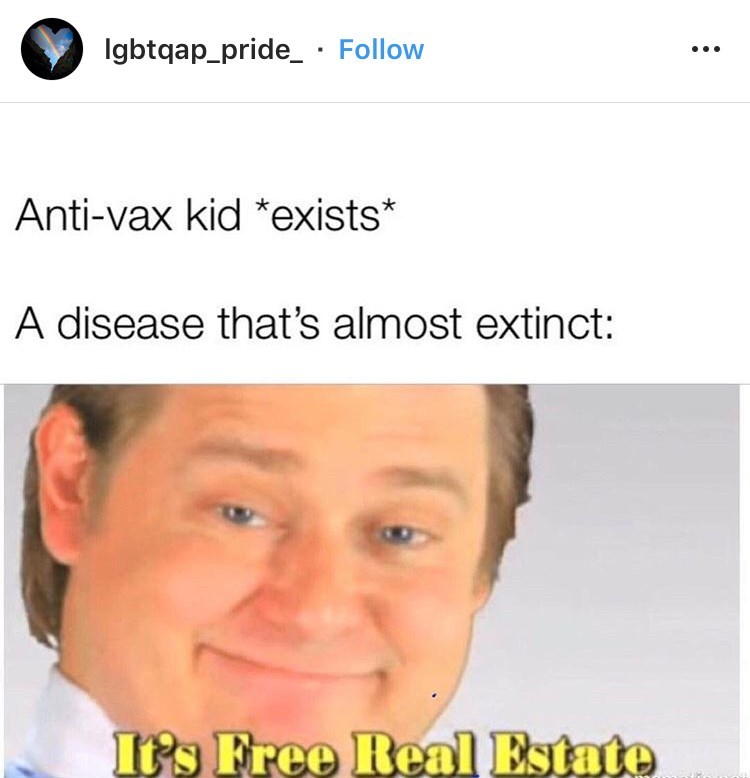
I am one of many guilty people that believes anything I see on Facebook, a flaw I try to work on every day. Some Facebook articles are great, they give information one may have not known anything about if it did not show up on their timeline. However, with anything on the internet, it should be taken with a grain of salt. From the articles discussed previously, Facebook is a very important outlet for vaccine information, and especially important in the anti-vaxx community. I do think Facebook’s efforts will help with this issue some, however not entirely. We all know how quickly random people’s posts go viral, so this could pose an issue with the continuation of anti-vaxx information being spread. Since individual posts will not be monitored, only pages and groups, this information can still get around. Also, people in general like to be proven right. Therefore, I believe people will still seek to find the information that backs up their personal beliefs, whether that be through google or another social media outlet that is not Facebook owned. Therefore, I do think Facebook’s crackdown is a step in the right direction, but I think all social media sites and news outlets should work together to remove this information to the wide world web.

Vaccinate yourselves (and your children), people!
Tetanus: Is it really that bad?

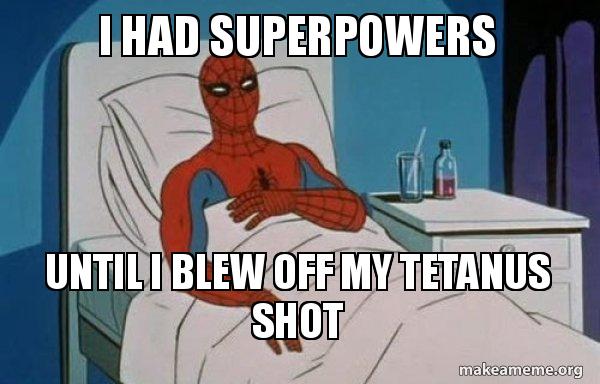
We all know the first thing that gets asked when you step on a rusty nail, “when is the last time you got a tetanus booster?!” I never understood why this was such a serious matter, until I saw pictures of what tetanus looks like. Tetanus is a disease caused by a scary sounding bacteria called Clostridium tetani. This type of bacteria lives in soil, which is likely where we may find a rusty nail lying around. The signs of this illness is tightening of the muscles, which can progress so badly it is eventually fatal, not to mention extremely painful! Think of the charley horse you once had in your calf muscle. Now imagine that pain ALL over your body, and it never stops, yeah that’s tetanus for you. Good news though! As explained in a MedlinePlus article, there is a vaccine that can be given to prevent against this horrific illness.

The CDC explains the vaccines for this disease, and when they can be given. Trust me, you do not want to become overdue for this vaccine. There are four different forms of this vaccination, so you have options! These vaccines are DT, DTaP, Td and Tdap. In these abbreviations, the d is diptheria, the t is tentanus and the p is pertussis. Which vaccination you receive depends on your age. Babies and children should be getting this vaccine, and adults should be boostered for it, as well, every 10 years. I just recently got mine, now you go get yours!

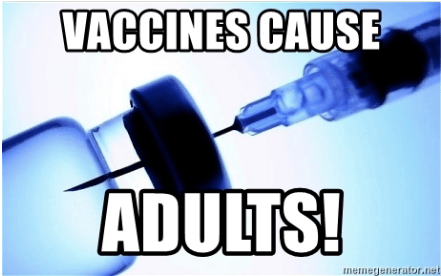
This disease seems quite crazy, as if it could NEVER happen in the United States, right? WRONG! Just recently in 2017, there was a case of tetanus in the US. An article in the journal Contagion Live explains this case. A young boy in Oregon, who was unvaccinated for tetanus, spent 57 days in the hospital, with 47 of those days in the ICU. He was lucky in that he was able to resume normal activity after a month of rehabilitation, following his hospital stay. However, this is not always the case. The most insane thing to me about this story is the fact that his parents declined an additional DTaP vaccine, as well as any other vaccines. You’d think they’d learn their lesson after a close to $1 million hospital bill, but I guess not. One can only hope that some sense will be knocked into anti-vaxxers soon, so no more children or immunocompromised people have to suffer with these horrible diseases.

To Vegetable or Not to Vegetable

“Eat your vegetables, they’re good for you!” A phrase that has been engraved in my head ever since I can remember, and I’m sure you also have this phrase tattooed in your mind. Kids everywhere are screaming and crying because they do not want to eat all their broccoli. I thought when I grew up, I would be able to eat pizza for every meal, and be the happiest person on the planet. Well, those crazy scientists are making my dreams impossible with their new research of the gut microbiome, and how it is linked to mental health. Studies done to look at the link between microbiome and mental health are becoming more and more common these days. A study done in Nature Microbiology looked at people’s feces and how the microorganisms present correlated with their quality of life. They found that the presence of Coprococcus and Dialister were not as common in people with clinical depression. This is just one of the many studies conducted that introduces us to the importance of gut health.

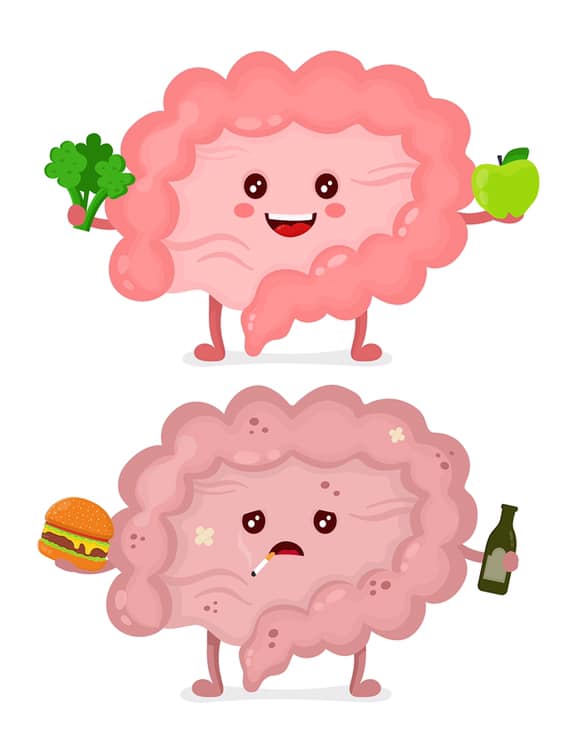
The microbiome that lives in the gut varies from person to person. Some people have more diverse microorganisms renting out their gut space, while some have fewer variety in their gut microbiome. In an article by Caroline Horizny, she briefly explains a study conducted that shows gut microbiota composition is in fact different from person to person. Scientists are discovering that this is likely due to the the types of food we eat because different microorganisms enjoy different types of food, and therefore inhabit where the food they like is, just like you and me! Horizny explains these different species of bacteria produce different metabolites, which can influence communication of serotonin and different hormones to the Central Nervous System. In this study, they found that certain bacteria species positively correlated with a more positive mental health. It is as if the “brain” in our guts and the brain in our heads come up with an agreement to be happy together or sad.

Of course all of depression cannot necessarily all be attributed to gut health, so there has been research done involving both gut health and its effects on mental health, in combination with antidepressant medications. In a recent article, Andreu Prado discusses a study, conducted by Dr. Evan Elliot, that used human antidepressants to test mice and their microbiota diversity. In this study, they treated mice with both common human antidepressants, as well as R. flavefaciens. They found that R. flavefaciens decreased gene expression of some genes involved in neurogenesis, which is a factor found in individuals that present with depression. They also found that different antidepressants caused the accumulation of different microorganisms in the gut. Therefore, the effects of anti-depressants are likely changed by what bacteria is already present in the gut. Though human experimentation is lacking in the field of gut microbiome, many new studies are helping scientists understand that it is more important than people once thought to monitor what is being put in the body.

With all that being said, eat your vegetables, and make your gut and soul HAPPY!

To Vegetable or Not to Vegetable

“Eat your vegetables, they’re good for you!” A phrase that has been engraved in my head ever since I can remember, and I’m sure you also have this phrase tattooed in your mind. Kids everywhere are screaming and crying because they do not want to eat all their broccoli. I thought when I grew up, I would be able to eat pizza for every meal, and be the happiest person on the planet. Well, those crazy scientists are making my dreams impossible with their new research of the gut microbiome, and how it is linked to mental health. Studies done to look at the link between microbiome and mental health are becoming more and more common these days. A study done in Nature Microbiology looked at people’s feces and how the microorganisms present correlated with their quality of life. They found that the presence of Coprococcus and Dialister were not as common in people with clinical depression. This is just one of the many studies conducted that introduces us to the importance of gut health.

The microbiome that lives in the gut varies from person to person. Some people have more diverse microorganisms renting out their gut space, while some have fewer variety in their gut microbiome. In an article by Caroline Horizny, she briefly explains a study conducted that shows gut microbiota composition is in fact different from person to person. Scientists are discovering that this is likely due to the the types of food we eat because different microorganisms enjoy different types of food, and therefore inhabit where the food they like is, just like you and me! Horizny explains these different species of bacteria produce different metabolites, which can influence communication of serotonin and different hormones to the Central Nervous System. In this study, they found that certain bacteria species positively correlated with a more positive mental health. It is as if the “brain” in our guts and the brain in our heads come up with an agreement to be happy together or sad.

Of course all of depression cannot necessarily all be attributed to gut health, so there has been research done involving both gut health and its effects on mental health, in combination with antidepressant medications. In a recent article, Andreu Prado discusses a study, conducted by Dr. Evan Elliot, that used human antidepressants to test mice and their microbiota diversity. In this study, they treated mice with both common human antidepressants, as well as R. flavefaciens. They found that R. flavefaciens decreased gene expression of some genes involved in neurogenesis, which is a factor found in individuals that present with depression. They also found that different antidepressants caused the accumulation of different microorganisms in the gut. Therefore, the effects of anti-depressants are likely changed by what bacteria is already present in the gut. Though human experimentation is lacking in the field of gut microbiome, many new studies are helping scientists understand that it is more important than people once thought to monitor what is being put in the body.

With all that being said, eat your vegetables, and make your gut and soul HAPPY!

My First Blog Post

Be yourself; Everyone else is already taken.

— Oscar Wilde.

This is the first post on my new blog. I’m just getting this new blog going, so stay tuned for more. Subscribe below to get notified when I post new updates.

Introduce Yourself (Example Post)

This is an example post, originally published as part of Blogging University. Enroll in one of our ten programs, and start your blog right.

You’re going to publish a post today. Don’t worry about how your blog looks. Don’t worry if you haven’t given it a name yet, or you’re feeling overwhelmed. Just click the “New Post” button, and tell us why you’re here.

Why do this?

  • Because it gives new readers context. What are you about? Why should they read your blog?
  • Because it will help you focus you own ideas about your blog and what you’d like to do with it.

The post can be short or long, a personal intro to your life or a bloggy mission statement, a manifesto for the future or a simple outline of your the types of things you hope to publish.

To help you get started, here are a few questions:

  • Why are you blogging publicly, rather than keeping a personal journal?
  • What topics do you think you’ll write about?
  • Who would you love to connect with via your blog?
  • If you blog successfully throughout the next year, what would you hope to have accomplished?

You’re not locked into any of this; one of the wonderful things about blogs is how they constantly evolve as we learn, grow, and interact with one another — but it’s good to know where and why you started, and articulating your goals may just give you a few other post ideas.

Can’t think how to get started? Just write the first thing that pops into your head. Anne Lamott, author of a book on writing we love, says that you need to give yourself permission to write a “crappy first draft”. Anne makes a great point — just start writing, and worry about editing it later.

When you’re ready to publish, give your post three to five tags that describe your blog’s focus — writing, photography, fiction, parenting, food, cars, movies, sports, whatever. These tags will help others who care about your topics find you in the Reader. Make sure one of the tags is “zerotohero,” so other new bloggers can find you, too.