Be yourself; Everyone else is already taken.
— Oscar Wilde.
This is the first post on my new blog. I’m just getting this new blog going, so stay tuned for more. Subscribe below to get notified when I post new updates.
Be yourself; Everyone else is already taken.
— Oscar Wilde.
This is the first post on my new blog. I’m just getting this new blog going, so stay tuned for more. Subscribe below to get notified when I post new updates.
Vaccines are great, we all know this! But how exactly are they developed? Surely it’s not as simple as it sometimes seems. Well it isn’t. There are many steps and protocols to follow before vaccines are just injected into the public. These steps include the exploratory stage, pre-clinical stage, and clinical development, which includes three stages in itself. In order to get more vaccines in the future, such as one for HIV, these protocols must be followed, which will be discussed in today’s post. Let’s remember, since vaccines do take serious work to develop, and since they protect against contractible diseases, GET VACCINATED when you can!
According to the CDC, this list of protocols to get a vaccine prepared can take 10-15 years in some cases. In an article by the CDC they break up the stages and explain them, so these 10-15 years are more comprehensible. The first two steps of vaccine development involve laboratory and animal testing (poor mice). In the first exploratory stage, scientists work to find an antigen that has the potential to prevent against a specific disease, whether these are natural or synthetic antigens. This stage can last anywhere for 2-4 years, which makes sense considering they have to find ONE antigen to prevent an entire, and sometimes evolving DISEASE. The pre-clinical stage uses culture and animals to see if there is an immune response, and if this reaction is safe. This stage generally lasts for 1-2 years. After this, an application must be submitted to the FDA, and they have 30 days to review and either approve or deny the application. That sounds slightly intense! Lastly in the creation process, there are three stages of clinical development, which can only happen once the FDA has approved the proposed new vaccine. After animal studies have been done, it is time for human trials. The first stage of clinical development involves human studies, and the main goal is to understand the immune response in humans and safety of this vaccine. The trial is a small sample size, generally 20-30 people. I hope they are getting paid good money to participate in this! The second stage has similar goals, but includes are larger sample population. This stage also looks at mode of delivery of the vaccine, as well as the type of schedule it should have. The last stage before approval looks to see if there are any rare side effects, doing so by looking at a much larger group, generally thousands. A larger sample size helps scientists understand if the vaccine actually works and if there is anything they need to alter that could cause side effects. After successful clinical studies, this vaccine can now move on to getting officially approved. Now enough of the logistics, let’s talk about a vaccine that is attempting to be developed in real life!
Let’s talk about an article that was released just FOUR DAYS AGO! Isn’t it crazy how constantly science changes?! It’s insane! This article discusses what is going on with the development of an HIV vaccine. Due to HIVs changing and mutating nature, scientists are having to take a different approach with this vaccine than they have with others. They use a piece of protein to attract rare B cells, which multiply once binded to the protein. By attracting these rare B cells, scientists believe they will be able to more broadly neutralize antibodies, which are necessary with a changing disease. So why has this wonderful vaccine not been released yet? Well as shown before, it is a long and grueling process. This past year scientists have been working to find the necessary rare B cells. They tested in mice and found a B cell that has an antibody that helps prevent HIV in mice. That’s amazing! There is still a long way to go with this vaccine, but I cannot wait to see how it develops over the coming years.
Why is it so hard to eradicate diseases? Well that’s a very complex question. We have only done it one time, with small pox, so we know it is possible, but difficult. Scientists are working hard to find a way to eradicate polio. The eradication of polio was planned for 20 years ago, but that deadline has long since been surpassed. One recent article talks about why eradication of polio is possible, while another talks about the challenges currently being faced with eradication attempts.
So how do we know that we can eradicate polio, if we’ve only successfully eradicated anything once? Well, according to an article by End Polio Now, there are five main reasons they know it can be eradicated.
All these reasons are why people have hope! But nothing is ever as easy as it seems, and therefore polio is still not eradicated. One major issue with this list is that even though there is a vaccine available, due to those lovely anti-vaxxers we’ve previously talked about, not everyone is getting vaccinated for this disease, and therefore herd immunity is lowered. I do think, however, this article brought up some great points and we really are capable of eradicating this disease if we keep trying.
One thing scientists are seeing is a problem with the vaccine. In 2015, type 2 poliovirus was said to be eradicated, and therefore scientists wanted to stop giving a vaccine with a type 2 strain in it. This is because they did not think it was necessary, but also this vaccine has cause paralysis in some children, and therefore it was not worth the risk. However, discussed in a Stat article, there has been some resurfacing of type 2 poliovirus from those previously vaccinated with the original vaccine. They are now trying to figure out what to do about this, and whether they should start to give the old vaccine again. This back and forth has made it very difficult to eradicate polio.
Hopefully in the near future we can say goodbye to polio for good.
Ever wonder why it seems like everyone has peanut allergies these days? Well believe it or not, research is beginning to show that the microbiome has a large part to do with it. Gut health seems to be the answer for everything these days, crazy! There is also research being done about allergies to bacteria and how this can be linked to certain food allergies and allergies to antibiotics, specifically penicillin. Why is all this important anyways? Well if we find causes to these allergies we could potentially fix them, and then we can all enjoy peanut butter, yay!
There is still a lot of research that needs to be done, especially human trials, but researchers have begun to do some on humans and many other tests on mice. In a recent study, explained in a News Atlas article, researchers looked at fecal samples of many infants, some with known food allergies, and others without. What they found was that infants with food allergies were often lacking a handful of bacterium in the gut. They did another study in mice following this one, where they gave allergy suffering mice a mixture of the bacteria the infants in the previous study had been lacking. They saw a decrease in allergic reactions. This is pretty incredible because not only are they understanding why these allergies are happening, but can prevent them and help fix allergies the individuals already had. This could be a game changer in the world of children allergies. I look forward to seeing more research that is done in the future, and you should be excited about it too!
Another interesting topic, as mentioned earlier is the link between mold allergies and food/antibiotic allergies. As you probably already know, penicillin is a wonderful drug, well at least before it gained antibiotic resistance. As discussed in a Very Well Health article, many people are allergic to Penicillium, a fungal mold that is common in households. Those that are allergic will get those annoying allergy signs and symptoms, like a runny nose, sore throat, and malaise. The good news is that this allergy does cause an allergy to the antibiotic penicillin. However, researchers have seen a link between the mold allergy and certain food items, such as certain cheeses and mushrooms. That’s pretty gross if you really think about it, a link between mold and foods we eat? Gross. The article explains that this can be attributed to cross-reactivity, which is when these organisms and food items have shared proteins.
Allergies are such an intriguing concept, and all these new discoveries could be very beneficial for many people.
Let’s talk about a disease that is both curable and preventable, but is still a pandemic illness. That disease is tuberculosis, caused by the bacterium Mycobacterium tuberculosis. Just recently, in 2017, a UNC student tested positive for tuberculosis! Wow that hits a little to close to home. Similar to many of the scary diseases we have previously talked about, tuberculosis can be contracted from the air, both directly and indirectly. It causes a terrible cough that lasts for three or more weeks, and sometimes contains blood, chest pain, fever and loss of appetite. Sounds fun!
The World Health Organization released a recent article that explains all there is to know about tuberculosis today, how it is spread, difficulties with it, how to keep from getting it, and more. The first startling fact I feel is necessary to share is that tuberculosis is one of the top 10 causes of death worldwide. So this thing is a killing machine! It can also be found all over the world, though most cases occur in developing countries. Contrary to many other diseases discussed, the population most at risk are adults. However, other factors are being immunocompromised, malnutrition, and alcohol abuse. A scary aspect of TB is there are some multi-drug resistant strains that have started popping up, including one strain that is resistant to isoniazid and rifampicin. So as with all other bacterial infections, if you get TB, TAKE YOUR ANTIBIOTICS CORRECTLY!
The Texas Health and Human Services recently released an article showing statistics of this disease, which I find to be very interesting. One of figure shows a bar graph with risk factors associated with contracting TB. It shows that 61.14% of cases in Texas are from individuals born outside of the US. This is due to the ability of TB to remain latent in the body. Those who come from an area where tuberculosis is prevalent, can have the bacteria in them but not display symptoms nor be contagious. If this bacteria because active, however, proper treatment is required to stop the spread of it. Though this study only shows Texas, I think it can be pretty applicable to the rest of the US.
Welcome back to my blog! You’re going to want to stick around for this one. We are talking all things STDs. Who doesn’t love to talk about those?! I unfortunately have to be the bearer of bad news because STDs are increasing in cases and some are even becoming antibiotic resistant. What a time to be a college student! According to a recent article by Medical News Today, three of the most common STDs are becoming even more prominent today, those include gonorrhea, chlamydia, and syphilis. From the years 2017-2018, gonorrhea cases rose 5% from the previous year, chlamydia rose 3%, and syphilis rose a whopping 14%. I would think STD rates should be decreasing with protection seeming to be more accessible these days, but boy am I wrong. STDs only continue to increase and some are becoming antibiotic-resistant, GREAT! Today we are going to keep our focus on gonorrhea and chlamydia. Sorry syphilis, we don’t want you today…or any other day.
Gonorrhea, the clap, whatever you want to call it, it’s an STD that is quickly becoming a superbug. YIKES! An STD that causes painful urination and discharge from the genitalia, not really something you want to have antibiotic-resistance to. In a Science Daily article, the way antibiotic resistance occurs in gonorrhea is explained. Neisseria gonorrhea, the bacterium that causes gonorrhea, has started having resistance to drugs like penicillin, tetracycline, and ciprofloxacin, as drugs that were once enough to make the painful urination stop. What doctors have started doing to help with these symptoms is using two drugs that work together, however this is a type of last resort treatment. So what happens when it becomes resistant to that too? A world full of gonorrhea? GROSS.
Chlamydia is another STD that is becoming more prominent, however the difference is many antibiotics still easily clear the infection. YAY! Chlamydia has similar symptoms to gonorrhea, including discharge from genitalia and painful urination, however a major difference is chlamydia can often times be asymptomatic. Therefore, if not regularly checked for STDs, this is something that can be spread easily without knowing. An article by Avert explains the aspects of chlamydia, and what is going on with it today. So though we are still seeing a rise in cases today, we are still able to cure this STD, which is great. Another issue this article talks about is why untreated chlamydia is so terrible, other than passing it around unknowingly. Untreated chlamydia can also cause pelvic inflammatory disease, cervicitis, and salpingitis in women, and epididymitis, prostatitis, and urethritis in men. In some cases it causes sterility. So moral of the story STDs are bad, and so is drug-resistance, so USE PROTECTION!
It’s October, and that means it is spooky season and what better way to get in the spirit than discussing man-made antibodies?! I know it sounds totally wild, but it is actually an extremely awesome technique. What are these antibodies? Well, the technical term is monoclonal antibodies. They are used to help individuals with autoimmune diseases that attack normal human tissues. These antibodies attach only one specific type antigen. So how are they made? Human genes are extracted and put into test animals, and these animals are vaccinated. These animals are vaccinated for one particular antigen, this way the body will ideally produce the antibody of the scientist’s desires, and through this process, that is exactly what happens. One example of monoclonal antibodies is rituximab, which is a monoclonal antibody that helps with rheumatoid arthritis and non-Hodgkin’s lymphoma.
Rituximab serves different purposes depending on what kind of disease it is trying to get rid of in a given individual. In B-cell non-Hodgkin’s Lymphoma, majority of the B cells contain CD20 receptors on the surface of the cell, therefore rituximab’s job in these cases is to bind to the CD20. This binding helps stop the growth of tumor cells by lysing the cell. In cases of rheumatoid arthritis, however this drug helps the individual by reducing the amount of B-cells present in the body, thereby diminishing an inflammatory response. As described, this drug is cytolytic.
This drug seems great an all, and not to be a negative Nelly, but nothing in life is THAT simple. Unfortunately, in this case my pessimism is necessary, and there is a long list of side effects this drug and cause, all listed below. A whopping 80% of people who take this drug experience some of these side effects, varying in severity.
This drug does not make you susceptible to other disease infections just by taking it. However infections such as tumor lysis syndrome, mucocutaneous reactions and progressive multifocal leukoencephalopathy can occur as side effects. Those advised not to take this drug are pregnant women or nursing moms, kids, and elderly people. Research does not show whether or not this drug helps or harms the immune system at this time, but if I had to take a wild guess, I would think the innate immune response would be the most effected because a random antibody is placed in the genome that was not previously there, which could cause some issues.
Monoclonal antibodies could be a huge help to those with autoimmune disorders in the future!
Happy Sunday! What better thing to talk about on this lovely day than diarrhea, am I right?! Let’s do it! There are many different bacteria that have a sign of diarrhea, among these are Salmonella and Shigella. Both of these bacteria that cause severe illnesses sound extremely scary, and well, they kind of are. Salmonella has always been one of those things to me that I hear about and think, “that could never happen to me.” “Cookie dough is not seriously gonna give me Salmonella, give me another spoon full!” Well, I shouldn’t be so confident, and neither should you. Both Salmonella and Shigella can be spread in many different ways, and if contracted, you’ll wish you never would’ve ate that raw chocolate chip cookie dough, or rubbed that turtle on your face.
Doesn’t a pet turtle sound like a good idea? Like a miniature cute little thing that you can give kisses to. Well, actually, unless you enjoy having diarrhea, it’s a terrible idea! Food Safety News reported that between May 29th 2019 to September 3rd 2019, there have been 21 reported cases of individuals who have been infected with a particular strain of Salmonella, Salmonella oranienburg. How did these people get sick? Snuggling with their turtles, well at least a whopping 71% of infected people reported contact with turtles. Turtles can shed salmonella in their fecal droppings, and therefore contaminate anything it touches, water, their tanks, humans, the list goes on. These outbreaks have occurred over 13 different states, and the CDC is still closely investigating this, but they are pretty convinced those green little monsters are the reason for the diarrhea. It seems like common sense to wash your hands after handling animals and avoiding putting your mouth near them, but I guess I am wrong!
Shigella is another nasty gram-negative bacteria that causes bloody diarrhea in humans. Sounds fun. Contagion Live covered a story in May 2019 of an outbreak of Shigella in California and Nevada, attributed to raw oysters imported from Mexico. 16 people were reported to be infected, and 15 of those individuals reported to have eaten raw oysters. This study is interesting for many reasons, one being that the infected individuals showed several pathogens infecting them, the most popular being Shigella flenari and Vibrio parahaemolyticus. Most of the other cases included some other strain of the Shigella pathogen. Though an investigation is still being done, it is likely these oysters is the cause of the outbreak. Raw oysters are already gross enough as it is, but imagine having a lovely side item of bloody diarrhea to go with it.
I guess what I’m really trying to say is wash your hands, stop kissing turtles, and don’t eat contaminated oysters, or really just don’t eat them at all because they’re gross!
Imagine a world where antibiotics no longer exist, or are no longer effective. The world would be filled with fatal illnesses that once had a cure, a world with lethal pandemics. Sounds familiar right? Oh yeah! This is what the world was like before antibiotics. People were dying left and right, dropping like flies. I wish I could say this would never happen again, but if that were the case, I would not be writing this blog. When I think of 2050, I think of flying cars, robots that look like humans and coexist with us, and, well now, a world with no effective antibiotics. This doesn’t seem right? Wake up people, this is happening! Due to people’s incorrect and overuse of antibiotics this is what our future looks like, unfortunately.
So who really is misusing antibiotics? It seems like common sense not to, but many people are still misusing them. This includes not taking the full coarse of antibiotics, overuse of antibiotics, and taking a small dose of a friend’s medication. An article by Consumer Reports did a study that focuses on how many people take antibiotics without a prescription in the US. They did multiple surveys, but one of the major ones included 496 parents who kept their children’s old antibiotics. In this study the researchers found that a whopping 73% of parents gave their children’s left over antibiotics to another child of theirs. So not only are they not finishing a coarse of antibiotics but they are also giving a partial antibiotic to another child. So they are basically making a whole antibiotic resistant family. Nice … NOT! To make matters even more depressing, in another study, they found 1/4 of people they were testing willingly admitted they were planning to take antibiotics that were not prescribed to them. Well this is a big problem! As I’m sure you already know, a world without antibiotics is NOT a world you should want to live in. That is a terrifying thought. But why else, other than the obvious antibiotic-resistant debacle, is taking too many antibiotics bad? You’re about to find out!
Turns out, antibiotics can alter gut microbiome and overall health of host. Well, so much for all that kombucha you’ve been drinking! A study in Nature Research, looked at three healthy individual’s microbiota, and the effects the antibiotic ciprofloxacin had on their microbiome. This showed a decrease in richness and diversity by 33% in the individual’s microbiota, which they found in their fecal matter. There were some taxa that did not recover from this damage even after 6 months of treatment. Whether this study was ethical not beats me, but one thing is for sure antibiotic mistreatment needs to go.
Superbugs? Sounds awesome. Like a disease with superpowers! Staphylococcus aureus that flies? Sounds pretty cool. Well, that’s not exactly what superbug means, and in reality they’re totally NOT awesome, and incredibly scary. Superbugs are antibiotic resistance bacteria that can be caused by antibiotic misuse or overuse, including not finishing a full course of antibiotics. Superbugs are becoming a major problem, not only in human medicine, but also veterinary medicine. A superbug infecting golden retriever puppies, what a depressing thought. Well it’s happening people! I don’t know about you but thinking about sick dogs really bums me out, so let’s not depress ourselves, and we’ll talk about human illnesses instead!
Why are people REALLY worried about superbugs? Is it really as serious as people think? The short answer… YEP! A recent article by A. Palowski explains the seriousness of antibiotic resistance, and how it is getting progressively worse. It is explained that by 2050, if nothing is changed, there could be 10 million deaths a year from drug-resistant infections. UM EXCUSE ME? That’s no good. One major super bug us homo sapiens have to worry about is MRSA. We all got the letters growing up about the effects of MRSA while it was running rampant through schools. I remember being terrified and thinking I had MRSA anytime I had an open wound. Palowski explains that 5% of healthcare professionals carry this bacteria in their nose. Along with that, antibiotic resistance bacteria mainly affects immunocompromised people… a.k.a. people who are in hospitals! Considering this information alone, superbugs are and are going to continue to be a BIG problem.
You may be wondering what doctors and scientists are doing to stop the progression of superbugs. Honestly, there is not much being done, or at least not enough. A recent article by Julia Belluz explains some different bacteria that is becoming resistance to previously effective antibiotics, some of which include strains of tuberculosis and gonorrhea. So it sounds to me like this superbug thing is no joke. Belluz also talks about the controversy of alerting the public about these superbugs. At first thought, I would say ABSOLUTELY tell the public when there is an issue so they can protect themselves. However, she brings up some interesting points as to why many cases of superbugs has been hidden from the public, at least for awhile. Often times, doctors and scientists are unaware if a case of ineffective antibiotics will turn into an outbreak, or if is just one rare case. However, I still think patients have the right to know what they are being exposed to. Overall, there is a lack of transparency, and I personally think this is only increasing the misuse of antibiotics because many people are not aware of the effects. But what do I know!
Let’s all stop misusing antibiotics and help with the stop of superbugs!
What if there was a vaccine for all diseases? You never had to worry about life-long STDs or terminal cancers. Well, this of course is hypothetical for now, but who knows what science will be capable of in 20 years. Better yet, who knows what science is capable of NOW! The online journal Science Daily stays up-to-date on all the latest vaccine trends. From anti-vaxxer news to vaccine developments. They really just have the whole spectrum of news. This site explains vaccines I didn’t even know were being developed yet. It is truly incredible how far science has come. Alright, enough of the advertising, let’s get down to the real science!
Melanoma is a serious skin cancer, and not just serious, but one of the most aggressive forms. This type of cancer can be treated if caught early, but has a much higher fatality rate if it metastasizes to the lymph-nodes or organs. Did you know that 1 in every 5 people develop skin cancer by the age of 70? That’s alarming! This can be from sun exposure, but also from genetic predisposition. Good news though! Some super cool researchers at Tel Aviv University have started testing, on mice, a new potential vaccine for melanoma. A vaccine to prevent skin cancer? SIGN ME UP! The vaccine injected into the mice contained two peptides that are part of the melanoma cells. As hoped for, the immune systems in the mice learned to attack these peptides when coming into contact with them. This is indicative that if in the future the body were to come into contact with melanoma, the body would have an immune response to fight them off. WOW! Though there are no current human studies, this is an incredible step in the right direction!
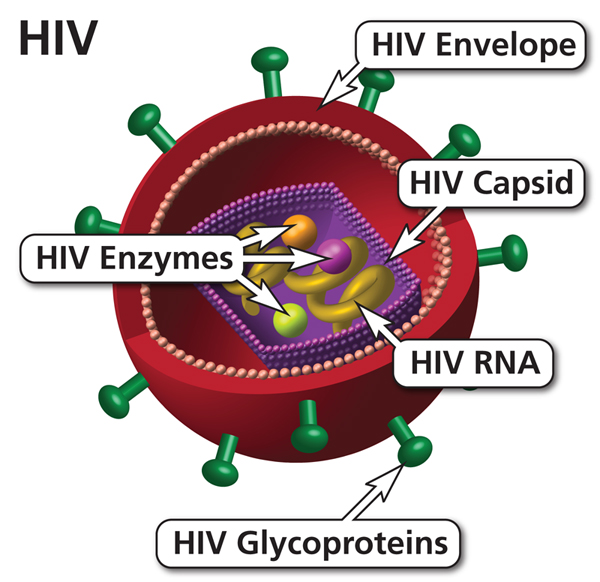
In other vaccine news, scientists are searching for a vaccination that will prevent against HIV, in particular, the “death star” strain. This particular strain has been a road block in finding a cure and prevention for HIV. Not anymore! Well, hopefully not for much longer. Another article in Science Daily explains the research being done, and a trial that successfully destructed the death star. Unlike the melanoma trial, this vaccine targeted muscle cells, rather than immune cells, to help attack the disease. This is not how vaccine normally work, but there’s a first time for everything! The scientists introduced a protective protein that contained two HIV co-receptors. This infected the muscle cells and built up a protective protein known as eCD4-lg. I know, it sounds crazy. Anyways, this intense protein attracts HIV, it then changes its shape, and HIV is no longer able to infect the muscle cells. Pretty cool right?! They did this study on animal subjects, so there is still a long ways to go before they start injecting humans. However, this research could be revolutionary. DOWN WITH THE DEATH STAR!
Science is amazing, and so are vaccinations! Let’s hope in the near future we see these two diseases demolished, with the help of vaccinations!







 Laura's Food For Thought